Honeywell PX2/PX3 Replacement RFQ Checklist
Procurement Guide / August 2026 / 6 min read / By Shengshi Engineering Team
Quick answer: A Honeywell PX2/PX3 replacement RFQ should include the complete part number or nameplate, pressure type and range, output signal, electrical connector, pressure port, media, temperature, quantity and any approval requirement. Honeywell support identifies MIP as the suggested replacement series for PX2 and PX3, but the exact MIP configuration still has to be checked against the installed transducer details.
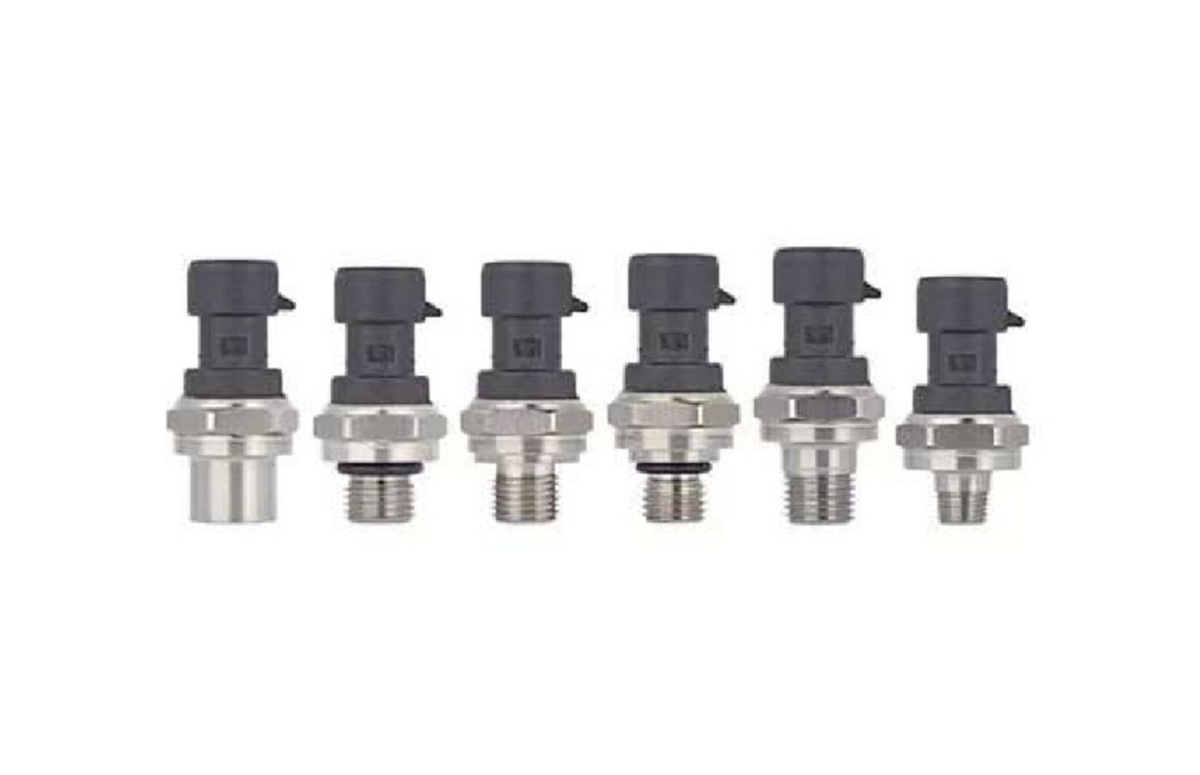
Why PX2/PX3 replacement details matter
Honeywell published support information stating that PX2 and PX3 pressure transducers have been discontinued and that the suggested replacement series is MIP. Honeywell product pages and datasheets also show that PX2, PX3 and MIP families are configurable pressure transducers, so a short family name does not define the pressure range, output, connector or process port.
JSSS Nova supports this request path through the Honeywell brand page, Pressure Measurement category, Honeywell PX2 product page, Honeywell PX3 product page, Honeywell MIP product page and the RFQ form.
Information to send before asking for price
- Complete Honeywell part number, order code or clear nameplate photo
- Whether the request is for PX2, PX3, MIP or an installed unit with an unclear label
- Pressure type and range, including absolute, sealed gage or vented gage where shown
- Output signal and supply voltage requirement
- Electrical connector, cable or mating connector details
- Pressure port thread, seal style and installation space limitation
- Media, temperature, vibration or washdown environment and any IP or approval requirement
- Quantity, destination, urgency and whether it is maintenance replacement or new equipment build
Replacement checks that reduce mismatch risk
For PX2/PX3 replacement projects, do not treat MIP as a one-size-fits-all substitute. The installed part number usually encodes the pressure range, pressure reference, port, connector and output. The safest RFQ package includes photos of the label, connector face, pressure port, cable routing and surrounding installation space.
If the old transducer failed or the label is damaged, describe the machine or process, operating pressure, media compatibility concern and controller input. For adjacent sourcing workflows, compare the Honeywell MLH product page, Honeywell SPT product page, pressure transmitter comparison guide and obsolete industrial spare parts guide.
FAQ for Honeywell PX2/PX3 sourcing
Are Honeywell PX2 and PX3 pressure transducers still current?
Honeywell support states that PX2 and PX3 products have been discontinued and points to the MIP pressure transducer series as the suggested replacement series. The exact replacement still needs part-number matching.
Is “MIP replacement” enough for an RFQ?
No. MIP is a configurable series. Send the old PX2/PX3 part number, pressure range, output, port, connector, media and photos so the replacement configuration can be checked.
Can JSSS Nova guarantee a direct replacement from a family name?
No. A direct replacement can only be reviewed against the exact old part number and application details. The offer should be confirmed before ordering.
What if the PX2 or PX3 nameplate is unreadable?
Send photos of the connector, pressure port, cable, installation location and controller input, plus operating pressure and media details. These help narrow the configuration before quotation.
Procurement tip: For Honeywell PX2/PX3 replacement, collect the old part number, nameplate photo, pressure range, output, connector, pressure port, media, quantity and any approval needs before requesting price.
Need help checking a Honeywell PX2/PX3 replacement?
Send the old part number, nameplate photo, pressure range, output, connector, pressure port, media, temperature, approval requirement, quantity and destination through the RFQ form. Shengshi engineers can review the configuration before preparing a sourcing response.
Send a Honeywell PX2/PX3 RFQ
Share the old part number, nameplate photo, pressure range, output, connector, port, media, temperature, approval needs, quantity and destination. We review the configuration before quoting.